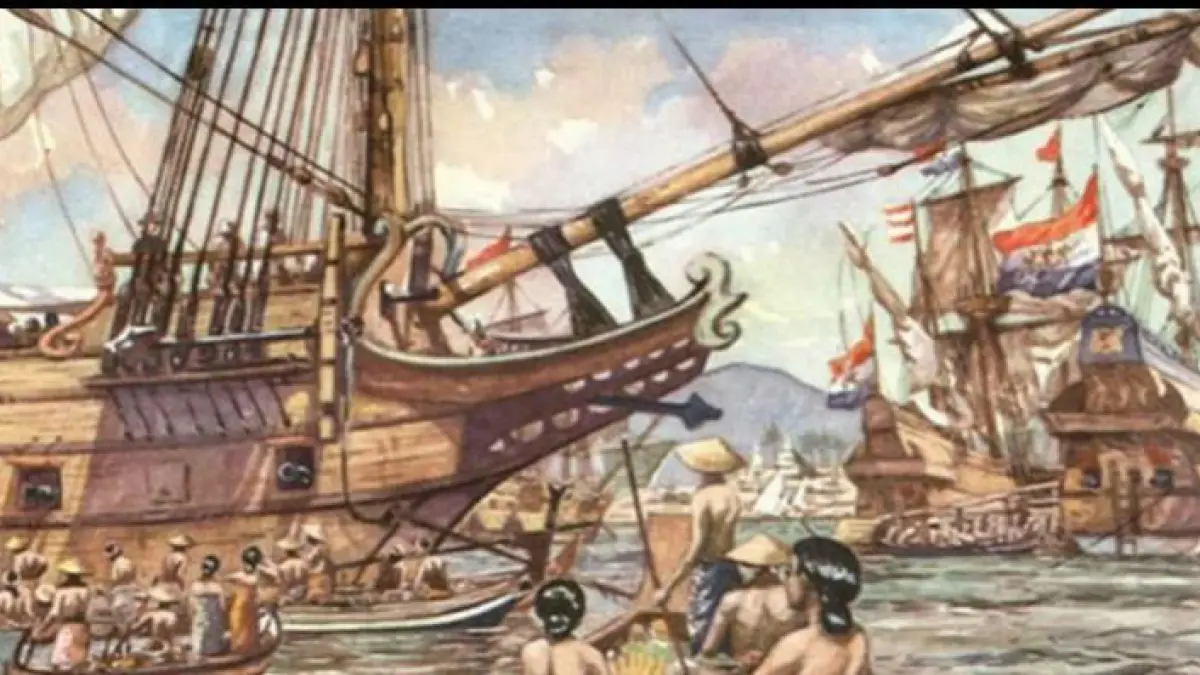
TRENGGALEK - The Majapahit Empire remains one of the most celebrated kingdoms in Indonesian history, known for its vast territorial influence and strong maritime power. Historians often describe the Majapahit Kingdom as a symbol of Nusantara unity because of its role in expanding political and economic connections across Southeast Asia centuries ago.
The kingdom was founded in East Java in 1293 by Raden Wijaya after a period of political turmoil on the island of Java. From a small regional power, Majapahit gradually transformed into a dominant empire that controlled important trade routes and strategic territories throughout the archipelago.
The Majapahit Kingdom entered its golden age during the reign of King Hayam Wuruk. Assisted by military commander Gajah Mada, the kingdom expanded its influence through diplomacy, trade partnerships, and naval strength.
Gajah Mada became famous for his “Sumpah Palapa” oath, a declaration that expressed his determination to unite the Nusantara region under Majapahit authority. The pledge later became one of the most iconic moments in Indonesia’s historical narrative.
During its peak, the Majapahit Kingdom became an important center of international trade. Merchants from China, India, and the Middle East visited its ports to exchange spices, silk, ceramics, and precious goods. The kingdom’s strategic location allowed it to benefit from growing maritime commerce in Asia.
Historians also recognize Majapahit for its cultural and intellectual achievements. Ancient literary works, religious traditions, and architectural developments flourished during the kingdom’s golden period. Archaeological discoveries from East Java continue to reveal evidence of a sophisticated civilization with advanced governance systems.
One of the most important historical records from the Majapahit era is the “Nagarakretagama,” a manuscript that describes royal ceremonies, political administration, and the territories influenced by the kingdom. Researchers consider it a crucial source for understanding Indonesia’s ancient past.
Despite its success, the Majapahit Kingdom slowly declined during the 15th century. Internal political disputes and the rise of Islamic kingdoms weakened its authority across the region. Shifting trade routes also reduced the kingdom’s maritime dominance over time.
Even after its collapse, the legacy of Majapahit continues to shape Indonesian identity and historical awareness. Many historians view the kingdom as one of Southeast Asia’s greatest empires because of its influence on politics, culture, and trade in the Nusantara region.
Today, the story of the Majapahit Kingdom remains an important part of Indonesian heritage, attracting attention from historians, students, and tourists interested in the rich history of ancient Southeast Asian civilizations.
Editor : Ingge Nayla Ayu KarinaSumber : DIOLAH, youtube