TRENGGALEK - The Mataram Kingdom remains one of the oldest and most important kingdoms in Indonesian history, known for its cultural achievements and powerful influence across ancient Java. Historians believe the Mataram Kingdom helped shape early Javanese civilization through religion, architecture, agriculture, and political organization.
The kingdom flourished between the 8th and 10th centuries in Central Java, where fertile volcanic soil supported rapid agricultural growth. Strong farming systems allowed the Mataram Kingdom to develop a stable economy and expand its authority across surrounding regions.
Historical records show that the kingdom was ruled by two influential dynasties, the Sanjaya Dynasty and the Syailendra Dynasty. The Sanjaya rulers were closely associated with Hindu traditions, while the Syailendra Dynasty became known for promoting Buddhism throughout the kingdom.
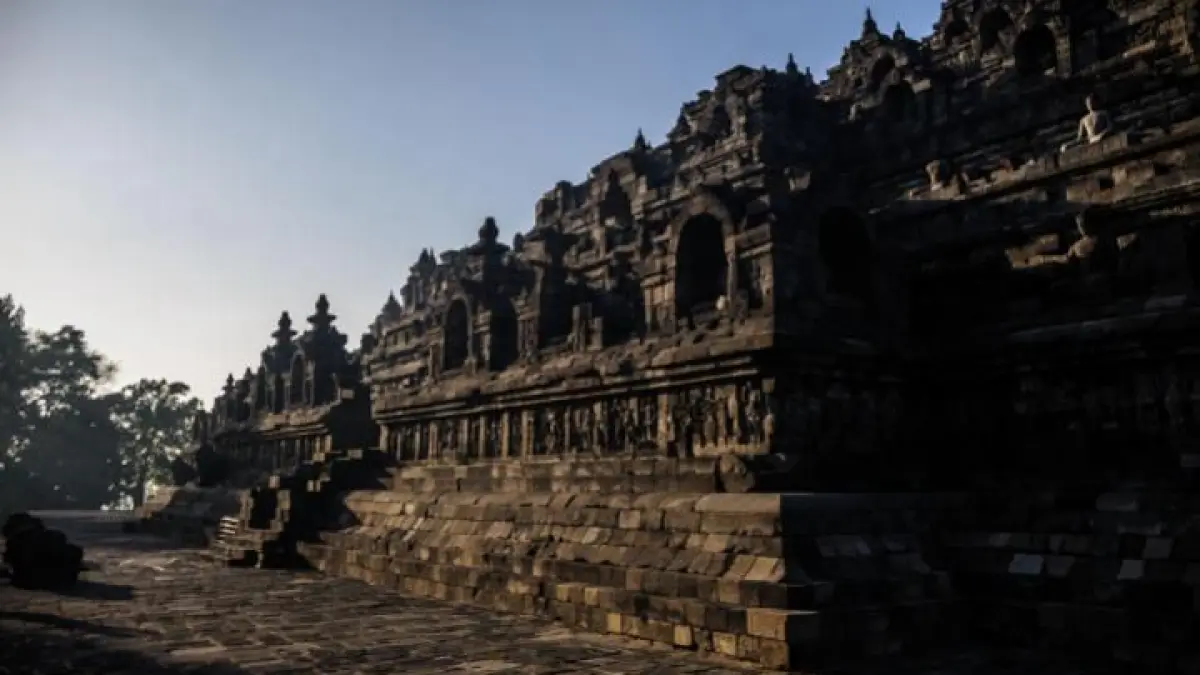
One of the greatest legacies of the Mataram Kingdom is its remarkable temple architecture. The famous Borobudur Temple was built during the Buddhist Syailendra period and is considered one of the world’s largest religious monuments. At the same time, the stunning Prambanan Temple reflected the kingdom’s Hindu cultural influence through its towering temple complex.
Historians say these temples demonstrated the advanced engineering and artistic skills of ancient Javanese society. Stone carvings and inscriptions discovered at archaeological sites continue to provide valuable insight into the kingdom’s political and religious life.
The Mataram Kingdom also benefited from trade connections with neighboring regions in Southeast Asia. Merchants exchanged agricultural products, spices, and local goods with traders from other kingdoms, helping strengthen the economy of ancient Java.
Ancient inscriptions indicate that the kingdom maintained an organized government system with strong royal authority. Religious leaders and local administrators played important roles in managing agricultural production and maintaining political stability.
Despite its achievements, the Mataram Kingdom eventually faced decline due to a combination of natural disasters and political changes. Some historians believe volcanic eruptions from Mount Merapi disrupted agricultural centers and forced the kingdom to relocate its political base.
During the 10th century, the center of power moved from Central Java to East Java under the leadership of Mpu Sindok. This transition marked a major shift in Javanese political history and influenced the development of later kingdoms in the region.
Today, the legacy of the Mataram Kingdom remains visible through Indonesia’s historical landmarks and cultural traditions. Researchers continue to study the kingdom as one of Southeast Asia’s earliest advanced civilizations with lasting influence on Indonesian identity.
Editor : Ingge Nayla Ayu KarinaSumber : You Tube, DIOLAH